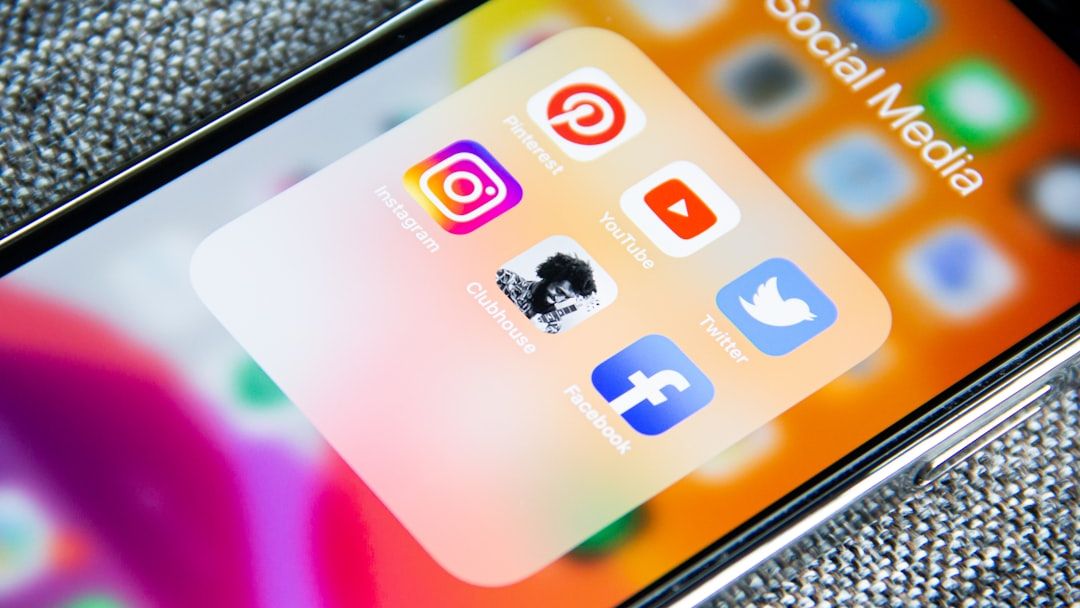
87% of French buyers say social media influences their purchasing decisions (Webzako, 2026). Yet, most SMEs spread their energy across five platforms at once and achieve results on none. Here's how to choose – and stop wasting time.
Being Everywhere: The Costly Trap for SMEs
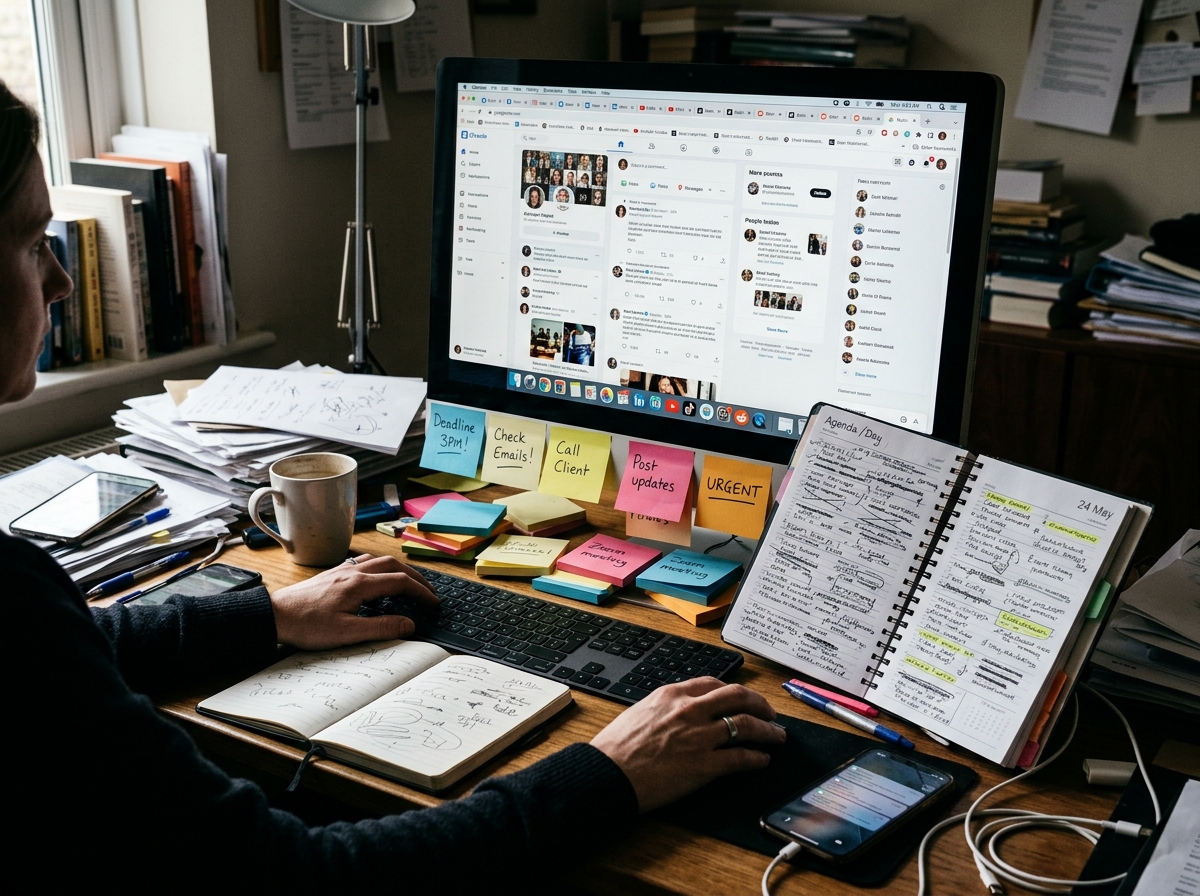
Managing multiple social networks in parallel without a dedicated team is one of the surest ways to produce mediocre content everywhere rather than excellent content somewhere. Each platform has its own codes, formats, posting frequencies, and algorithm logic. An Instagram post recycled on LinkedIn doesn't perform. A Reel edited for TikTok doesn't work on Facebook without adaptation.
Scheduling tools like Buffer or Hootsuite can give the illusion of mastering several channels at once. In reality, they automate distribution, not strategy. An SME that mechanically posts on six platforms ends up with a passive presence: accounts active on paper, without real engagement, without conversion.
The true cost is invisible: time spent producing content "to tick a box" is time not invested on the platform that genuinely converts your customers.
Concentrating Efforts: The Strategy That Works in Practice
Focusing on one or two platforms allows for the production of targeted, consistent, and engaging content. Algorithms reward regularity and relevance, not volume. A B2B service SME that publishes three in-depth articles per week on LinkedIn will generate far more leads than by scattering these efforts across four networks.
The downside is real: you are dependent on a single algorithm. A change in rules – such as the sharp drop in Facebook's organic reach in 2023-2024 – can cause your visibility to plummet overnight. This is why concentration does not mean total exclusivity, but a clear prioritisation of a primary channel and a secondary channel.
"We stopped Instagram for six months to focus solely on LinkedIn. Our appointment booking rate doubled in three months." — A common observation among B2B service providers assisted with digital strategy.
Which Network for Which Type of Product or Service
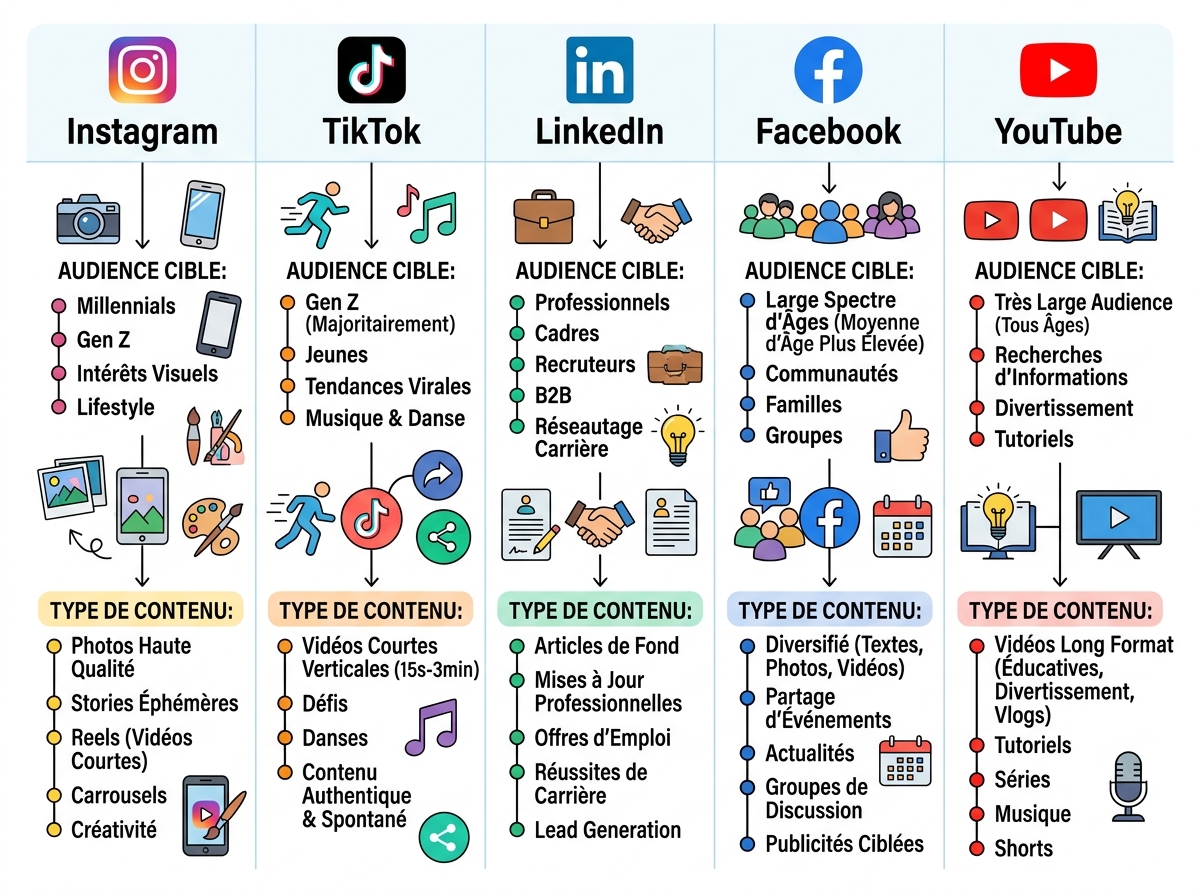
The ideal platform depends on two variables: your target audience and the nature of what you sell. Here's an operational framework:
Instagram and Pinterest — for Visual Consumer Products
Instagram brings together 80% of under-35s present on social networks in France (Reech, 2025). If you sell physical products with a strong aesthetic component – fashion, home decor, food, cosmetics – Instagram Shopping and Reels are your allies. Reels generate 52% more views than a classic static post (Webzako, 2026).
Pinterest remains underestimated: it's a product discovery platform with high purchase intent, boasting 578 million global active users (We Are Social/Meltwater, 2026). Ideal for interior design, fashion, and crafts.
TikTok — to Reach Under-35s with Short-Form Content
73% of consumers prefer to discover products through short videos (Webzako, 2026). TikTok Shop already exceeds 1% of French e-commerce – more than La Redoute or Zara in transactional volume on the platform. This is spectacular for such a recent feature.
But beware: TikTok demands native creativity and a high production rate. An SME without internal video resources will struggle to keep up. The return on investment is real, but the learning curve is steep.
Facebook — for 35+ Audiences and Community Groups
Facebook remains the platform with the most global active users (3.07 billion according to We Are Social/Meltwater, 2026). In France, it is particularly effective for 35-60 year olds and for local announcements. Thematic groups remain a powerful lever for artisans, local businesses, and local service providers.
76% of marketers consider Facebook the primary platform for their paid advertising campaigns (PPC Survey, 2024). For paid reach, its targeting remains the most mature on the market.
LinkedIn — for B2B Products and Services
If you sell to businesses, LinkedIn is your playground. 14% of B2B specialists plan to invest more there in 2025 (HubSpot, 2025). Social selling on LinkedIn – creating content that positions your expertise even before the first sales contact – remains the most effective organic approach in B2B.
The ideal format: short posts with strong opinions, educational carousels, and case studies. The optimal frequency is around 3 to 5 publications per week to build an engaged audience.
YouTube — for Education and Long-Term SEO
YouTube has 2.58 billion active users (We Are Social/Meltwater, 2026). It is the only social network massively indexed by Google: a well-optimised video generates organic traffic for years. Ideal for tutorials, product demonstrations, training, or expert content. The investment is high (production, editing), but the SEO benefits make it a durable asset.
The Hybrid Approach: 1 Main Channel, 1 Support Channel
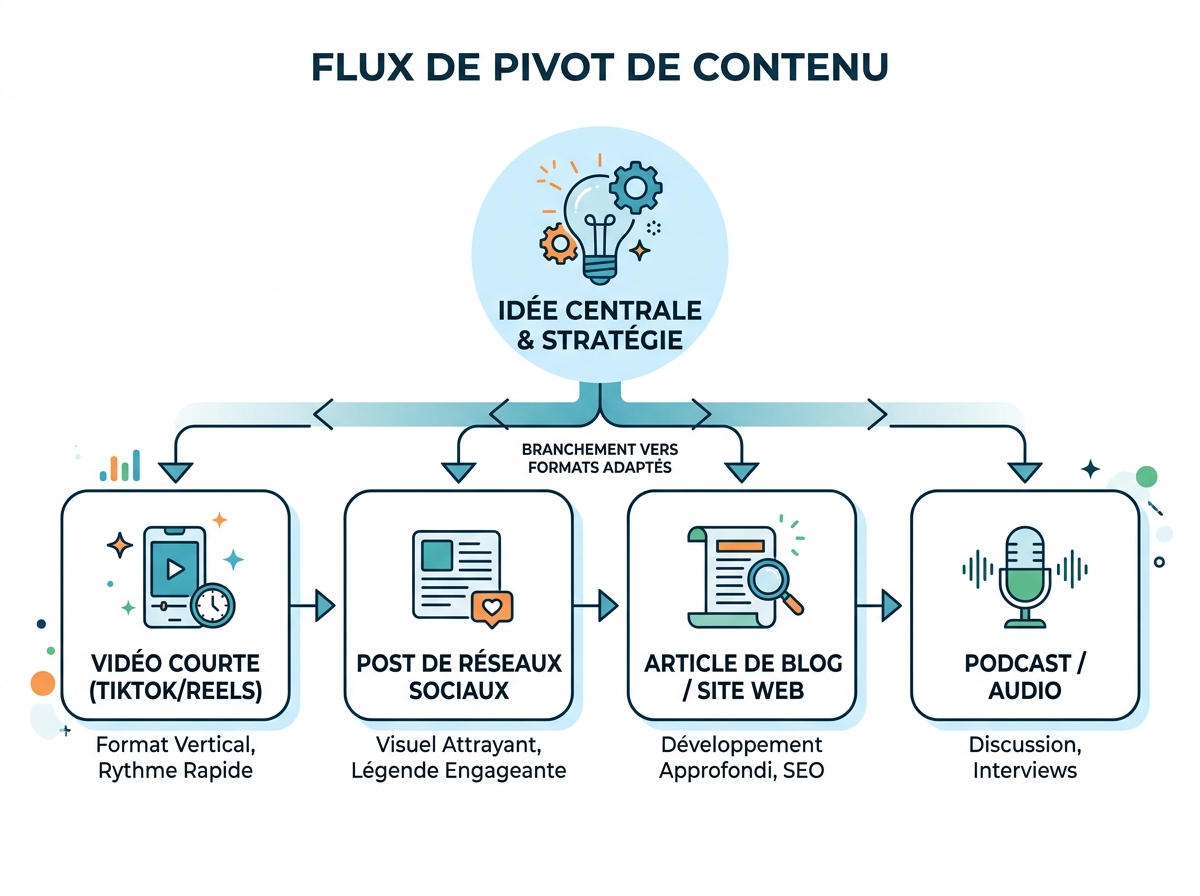
The most effective approach for an SME without a dedicated marketing team is neither "everything" nor "just one": it's one main channel where you create original content, and a secondary channel where you redistribute that adapted content.
Concrete example: a natural cosmetics shop creates its Reels on Instagram (main channel), then adapts the short formats for TikTok (secondary channel) without starting from scratch. A B2B consultant publishes their analyses on LinkedIn (main) and recycles the insights into short YouTube Shorts videos (secondary).
This pivot content logic reduces the production load while multiplying touchpoints. It also avoids total dependence on a single algorithm.
The Signals That Indicate Your Current Strategy Isn't Working
It's easy to stay active without being effective. Here are the concrete alerts to watch out for:
- Engagement rate below 1% on your posts (excluding paid advertising)
- No inbound inquiries or contacts generated by your networks in the last 90 days
- Time spent publishing, but no tracking of conversions (clicks, forms, calls)
- Identical copy-pasted content across all your platforms without adaptation
- Irregular frequency: bursts of publications then 3 weeks of silence
These signals indicate that the strategy needs to be recalibrated, not amplified. Publishing more on a bad channel doesn't fix the problem.
Social Networks and AI Visibility: The New Deal of 2026
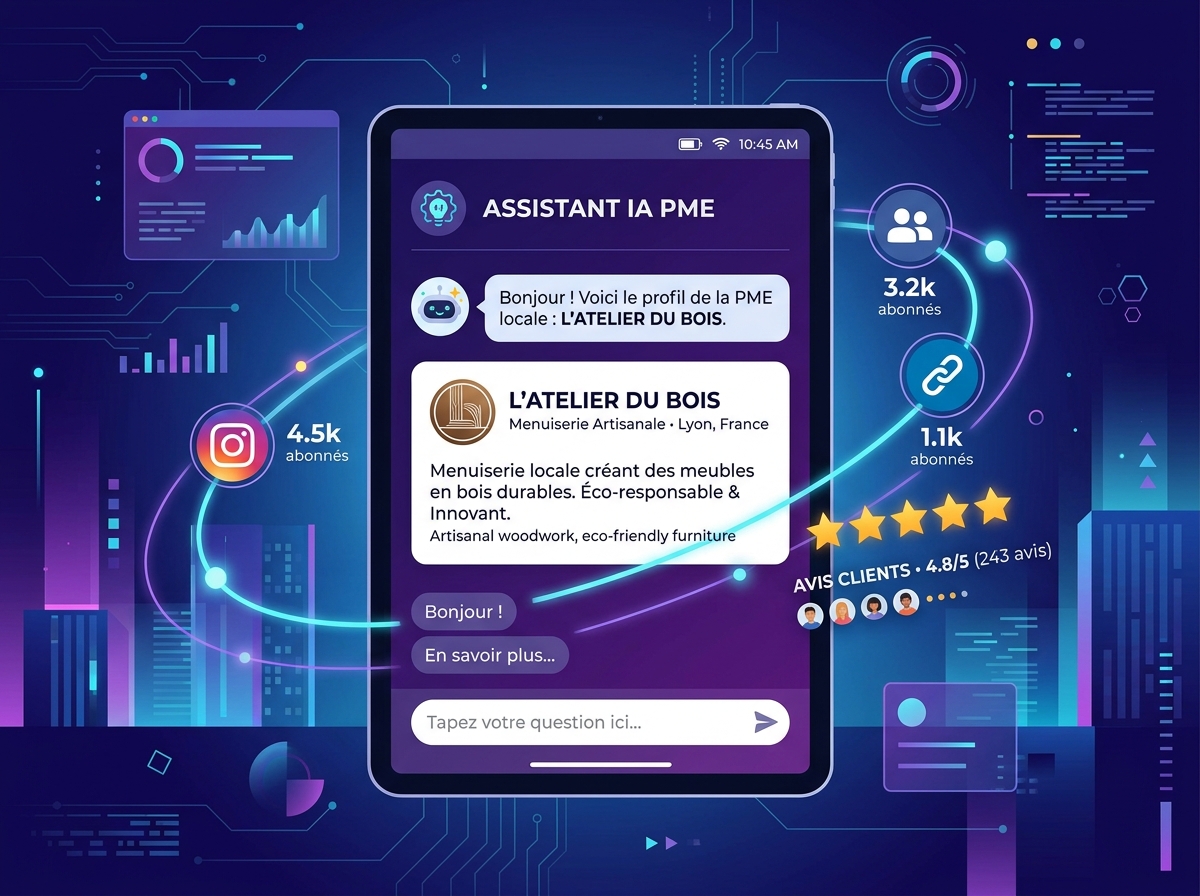
A factor often ignored by SMEs: in 2026, your social media presence also influences what AI agents like ChatGPT, Perplexity, or Gemini say about you when a prospect asks a question about your industry.
These tools aggregate signals from the web, including active social profiles, reviews, mentions, and the consistency of your online identity. A solid entity reputation – your brand clearly defined across multiple platforms with consistent information – improves your chances of being cited or recommended by these AIs.
This is the natural extension of classic SEO towards what is called GEO (Generative Engine Optimization). Your social media strategy is no longer just a question of reach: it is also a signal of legitimacy for the search engines of tomorrow.
To find out which channel(s) to focus your efforts on – and whether your current presence sends the right signals to search engines and AIs – a 360° visibility audit can identify exactly where you are missing opportunities. You can also start with a free online presence audit to get an initial diagnosis without obligation.