

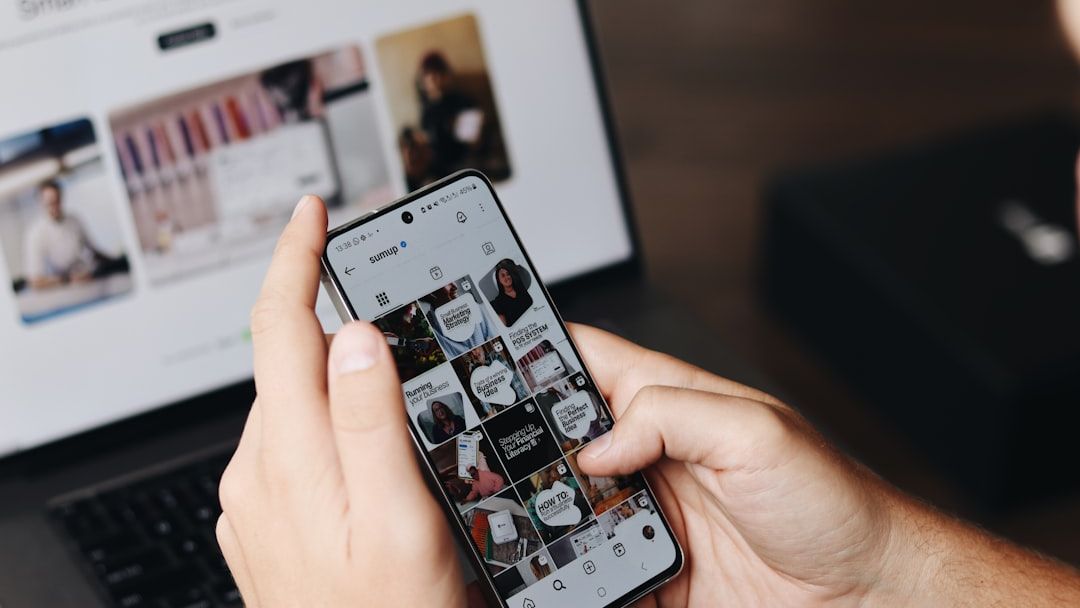
66% of French VSEs/SMEs have at least one social media account (France Num Barometer 2025). Yet, a tiny minority achieve real growth from it. The difference isn't in the budget – it's in the method.
They start with their audience, not their product

Knowing your audience is the foundation of any effective social strategy. Small businesses that thrive don't just publish for the sake of publishing: they've defined a precise customer profile – age, profession, specific problems, frequented platforms – and build every piece of content around this profile.
Concretely, this changes everything. A natural cosmetics shop won't produce the same content on Instagram (visual inspiration, beauty tutorials) as on LinkedIn (formulations, certifications, B2B partnerships). Same brand, two audiences, two languages.
The classic SME mistake: wanting to talk to everyone, ending up convincing no one. 500 paying subscribers are better than 5,000 scrolling ghosts.
- Define 1 to 2 priority personas with their real pain points
- Identify the 2 platforms where they actually spend time
- Adapt tone, format, and frequency to each channel
Consistency, the only fuel that doesn't run out

Publishing regularly isn't an option: social media algorithms reward consistency. A HubSpot 2025 study indicates that 57% of high-performing companies rely on short videos, and that 1 to 2 posts per day is the optimal frequency on Facebook.
But consistency without structure quickly fizzles out. Small businesses that maintain the pace all have one thing in common: an editorial calendar, even a minimal one. Three themes per week, two recurring formats, a creation slot blocked in the diary.
Diversifying formats also helps maintain engagement:
- Short videos (Reels, Shorts) for organic reach
- Carousels for education and saving
- Stories for proximity and quick interactions
- Lives or Q&A for credibility and trust
A plumber who posts three times a week – before/after a job, practical advice, customer testimonial – generates more local leads than an agency that posts once a month with a professional photo budget.
Riding trends without drowning in them
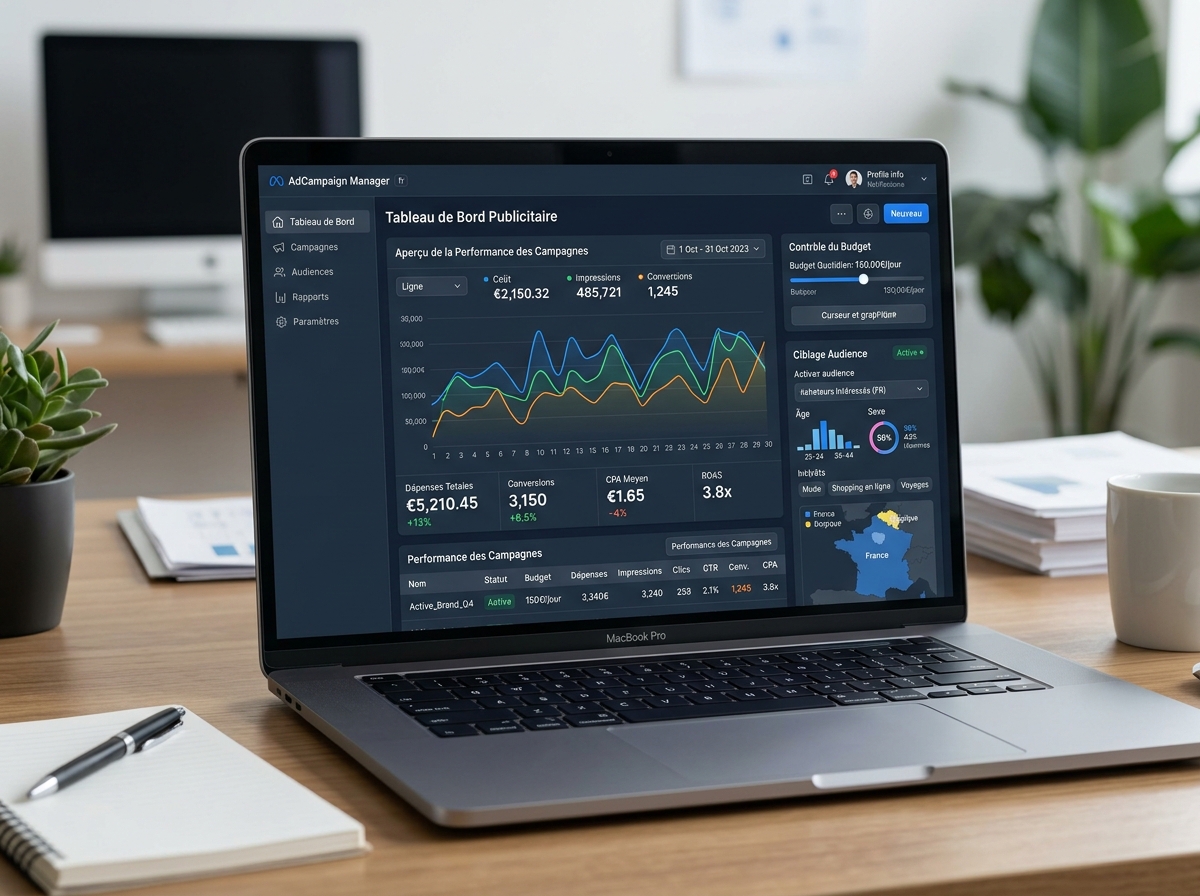
Viral formats – Reels, Shorts, challenges, trending sounds – offer free organic visibility that few small businesses truly exploit. A restaurant that incorporates a viral recipe into its content can reach thousands of people in 48 hours, without spending a penny.
But beware of the trap: copying a trend without adapting it to your message dilutes brand identity. The rule for successful businesses: exploit the trend, don't suffer it. They keep their voice, their visual universe, their positioning – and dress it all up with the format of the moment.
Practically:
- Monitor trends via Instagram's Explore tab or TikTok's Trending sounds
- Ask yourself: can this trend serve my message?
- Produce quickly – a trend rarely lasts more than 10 days
- Measure reach and engagement to decide if the format is worth repeating
Building a community, not just an audience
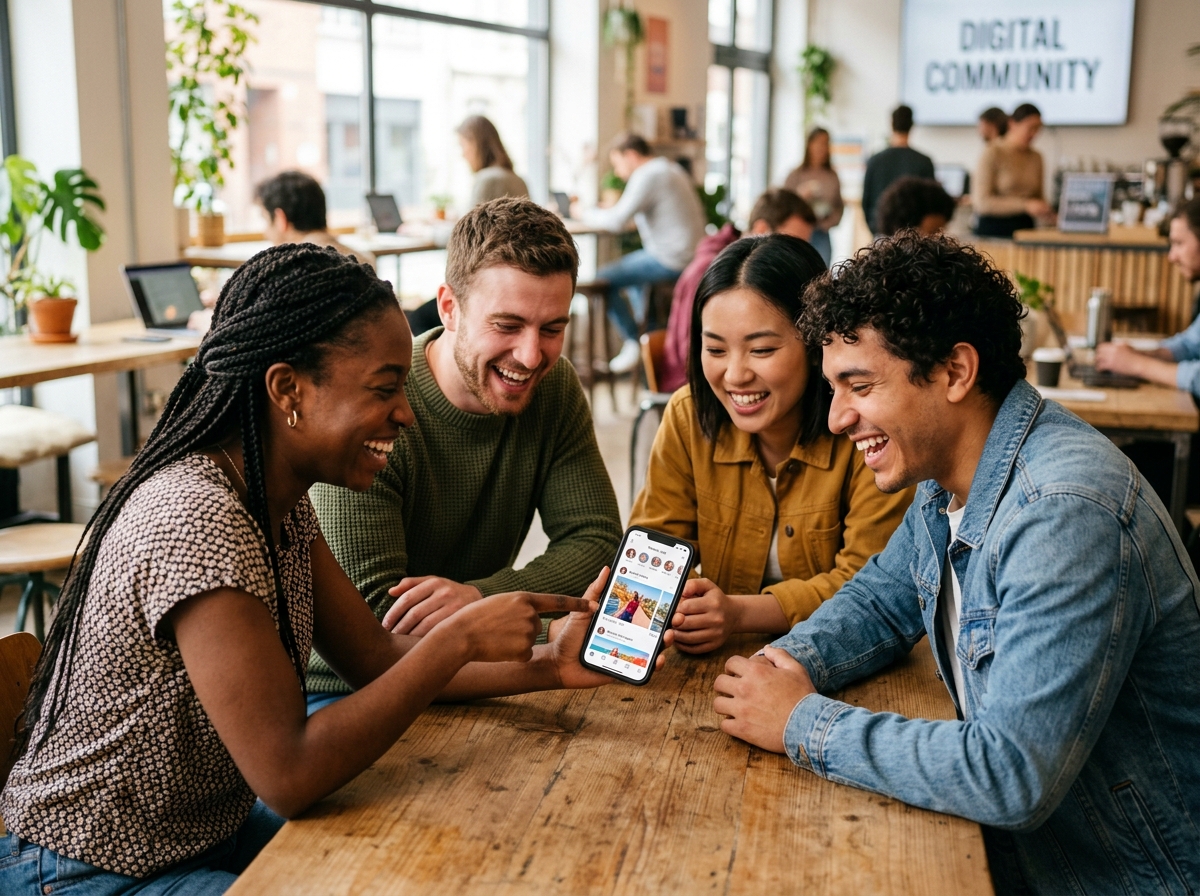
An audience watches. A community talks, shares, defends. It's this difference that turns followers into customers, then into ambassadors.
Small businesses that create a real community do three things consistently: they respond to every comment (even short ones), they encourage user-generated content (UGC), and they build bridges with other players in their sector.
UGC is particularly powerful for SMEs: according to HubSpot, 52% of high-performing companies now focus on community building. A customer who posts a photo with your product and tags you is worth more than a paid advertisement – it's authentic, free, and indexable social proof.
"We launched a dedicated hashtag for our brand. In three months, our customers had posted over 200 photos. Our reach doubled with no additional budget." — Feedback from a retail VSE we supported.
To activate UGC:
- Explicitly ask your customers to share their experience
- Repost their content, crediting them
- Create a simple, memorable brand hashtag
- Organise mini-challenges with a symbolic reward
Using social advertising as leverage, not a bandage

73% of marketers use social media advertising (HubSpot 2025). And no, it's not just for big brands. Meta Ads campaigns start at €5/day with geographical, demographic, and behavioural targeting that is precisely inaccessible via traditional media.
The difference between an SME that wastes its ad budget and one that makes it profitable comes down to one thing: amplifying what already works organically. Boosting a post that has already generated engagement costs less and converts better than a campaign built from scratch.
The steps for intelligent social advertising for a small business:
- Identify the organic post with the best engagement rate of the month
- Define an audience similar to your current customers (lookalike)
- Set a single objective: traffic, lead, message, or call
- Test two visuals over 3 days, cut the least performing one
- Analyse cost per result, not just impressions
Tools like Buffer or Hootsuite allow planning and performance tracking – but their complexity and cost (often designed for structured marketing teams) can hinder VSEs. A supported approach, directly within a platform like Digitalyser, allows managing everything without prior technical expertise.
Measuring to progress, not to reassure
The last secret of small businesses that progress: they measure the right indicators. Not likes (vanity metrics), but clicks to the website, messages received, quote requests generated, incoming calls.
According to the France Num Barometer 2025, 40% of VSEs/SMEs believe that digital technology allows them to increase their turnover – but this figure rises significantly among those who track precise indicators and adjust their strategy accordingly.
A simple dashboard is enough: reach, engagement rate, clicks, conversions. A 30-minute monthly review helps identify what works and double down on it.
If you don't yet have a clear vision of what your social media truly brings you, a 360° visibility audit is the most effective starting point – it identifies your under-exploited levers and high-impact priority actions.
Taking action: where to start concretely?
The good news: you don't need to do everything at once. The fastest-growing small businesses are those that choose one channel, one format, one frequency – and stick with it for 90 days before expanding.
- Week 1: Define your main persona and choose your priority platform
- Week 2: Create a mini editorial calendar for 4 weeks (3 recurring themes)
- Week 3: Publish, interact, respond to every comment without exception
- Week 4: Analyse the 3 best-performing posts and understand why
This simple loop – publish, measure, adjust – is exactly what small businesses do to turn their social media into a real acquisition channel. No magic, no colossal budget: a method, consistency, and the right indicators.
If you want to know exactly where you stand and what is currently hindering your social visibility, request your free audit – it's the fastest way to identify your priorities without fumbling.